Export Process Made Easy with Nexella Trade
Welcome to our Export Process Overview section, where we address the most frequently asked questions about navigating the complexities of exporting. At Nexella Trade, we understand that the export landscape can be daunting, with various regulations, documentation, and compliance requirements to consider. Our aim is to provide clarity and support for businesses eager to export their products efficiently. Here, you will find essential information that demystifies the export process, ensuring that you are well-prepared to take your products to international markets.
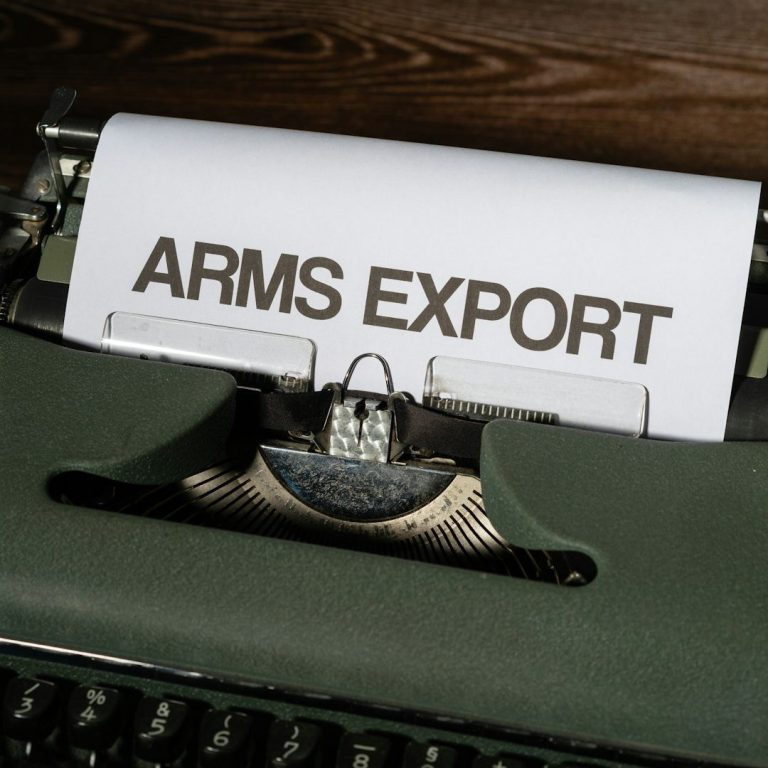
Understanding Export Documentation
Essential Documents for Exporting
Exporting requires a variety of documentation to ensure compliance with both domestic and international regulations. Key documents include export licenses, commercial invoices, packing lists, and certificates of origin. Each document has a specific purpose and is vital in facilitating a smooth export process. In this section, we will unpack these documents, outlining their requirements and importance for your enterprise.

Navigating Export Regulations
Compliance Essentials for Exporters
Adhering to export regulations is crucial for any business looking to enter foreign markets. These regulations can vary significantly depending on the destination country and the nature of the goods being exported. Understanding trade agreements, tariffs, and import duties is integral to your export strategy. Here, we provide an overview of key regulations and compliance requirements to help you navigate this complex environment with confidence.

Key Steps in the Export Process
A Step-by-Step Guide to Exporting
Exporting is a multi-step process that demands careful planning and execution. From initial market research to the final delivery of goods, each stage plays a critical role in successful exporting. This section breaks down the export process into manageable steps, offering insights and best practices to ensure that your products reach their destination seamlessly.

Ensuring Export Compliance
Tips for Successful Exporting
To navigate the export process successfully, compliance is non-negotiable. This means staying abreast of the latest regulations, completing necessary documentation accurately, and ensuring that all export operations comply with legal requirements. In this segment, we provide valuable tips and resources to assist businesses in maintaining their compliance status, protecting their interests while maximising their exporting opportunities.
Essential Export Documentation for Your Business
At Nexella Trade, we understand that navigating the complex world of international trade can be daunting. One critical aspect of ensuring a smooth export process is having the right documentation in place. This section is dedicated to providing you with key insights into the essential documents required for exporting goods internationally. By familiarising yourself with these necessary papers, you can minimise risk and enhance the efficiency of your export operations.
Invoices: Your Sales Record
The commercial invoice is a fundamental document in any export transaction. It acts as a record of the sale and must include details such as the buyer's and seller's information, a description of the goods being shipped, the price, and payment terms. Additionally, it serves as a basis for customs declarations. Ensuring accuracy on your invoices not only facilitates timely payment but also helps in clearing customs smoothly.
Export Licenses: Complying with Regulations
Depending on the type of goods you are exporting, you may require an export licence. Certain products are subject to government controls due to security, health, or environmental reasons. It is crucial to check whether your goods fall under these categories and obtain the necessary licences before shipment. Non-compliance can lead to severe penalties and shipment delays.
Packing Lists: Shipping Essentials
A detailed packing list is vital for both the exporter and the importer. This document outlines the contents of the shipment, including item quantities, weight, and dimensions. It is essential for transportation logistics and assists customs authorities during inspections. A clear packing list can help prevent disputes and ensure that all items arrive as expected.
Additional Documentation: Beyond the Basics
Besides invoices, export licences, and packing lists, several other documents may be required depending on your specific export situation. These can include certificates of origin, bills of lading, and insurance certificates. Each document plays a unique role in facilitating trade, ensuring compliance, and protecting your interests. Consulting with trade experts or customs brokers can provide clarity on what additional documentation may be necessary for your exports.
Regulations and Compliance for Export
At Nexella Trade, we recognise the complexities involved in the export process. Understanding the various regulations and compliance requirements your business must adhere to is crucial for successful export operations. This section provides comprehensive insights into customs regulations, safety standards, and other legal considerations that impact your export activities.
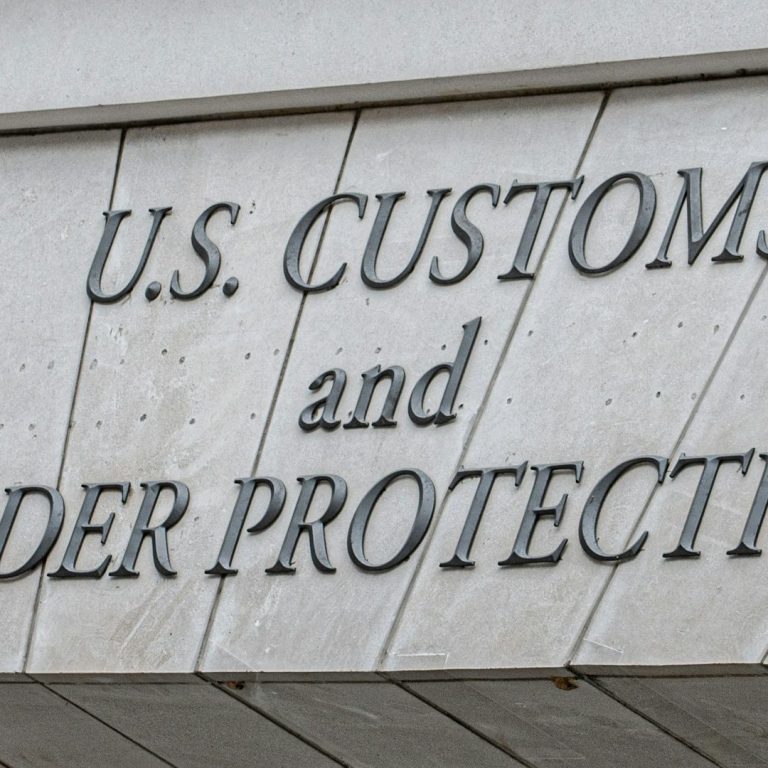
Customs Regulations
Navigating International Borders
Customs regulations are vital for exporting goods legally and efficiently. It is essential to understand the specific requirements of each country you are exporting to, including documentation, duties, and tariffs. Failure to adhere to these regulations may result in costly penalties and delays.

Safety Standards
Ensuring Product Integrity
Complying with safety standards is paramount in international trade. Each product may be subject to specific safety regulations set forth by regulatory bodies. It is critical that your products meet these standards to ensure consumer safety and avoid legal implications.

Documentation Requirements
Essential Paperwork For Exporting
Proper documentation is crucial for compliance during the export process. This includes invoices, packing lists, and certificates of origin. Accurate paperwork not only streamlines customs clearance but also safeguards your business against disputes regarding compliance.
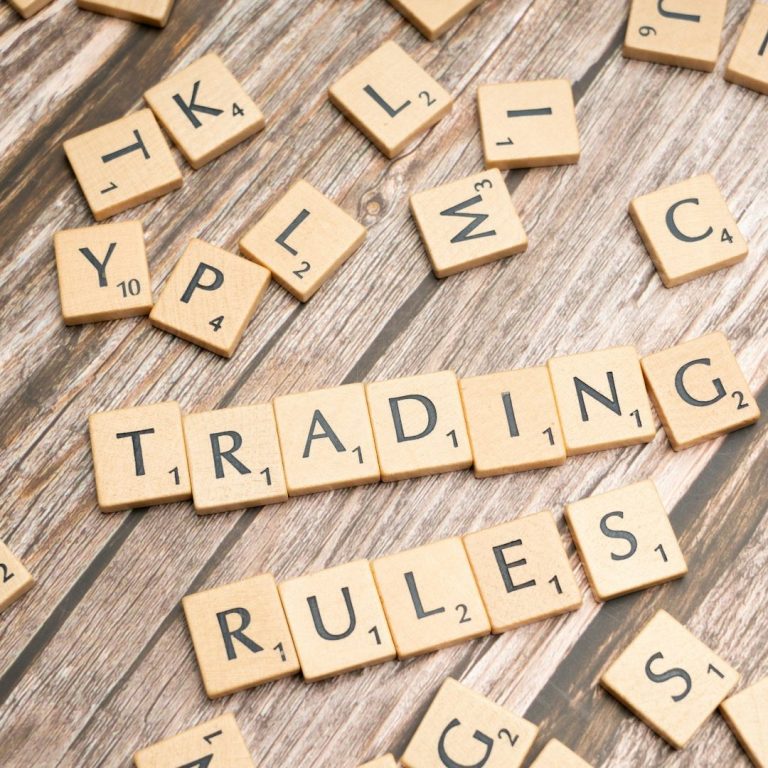
Understanding Trade Laws
Legal Framework For Export Activities
Understanding the legal framework of trade laws can determine the success of your export initiatives. Awareness of regulations specific to each market, including agreements and restrictions, ensures that your business avoids pitfalls and capitalises on opportunities in international markets.